The Secret War
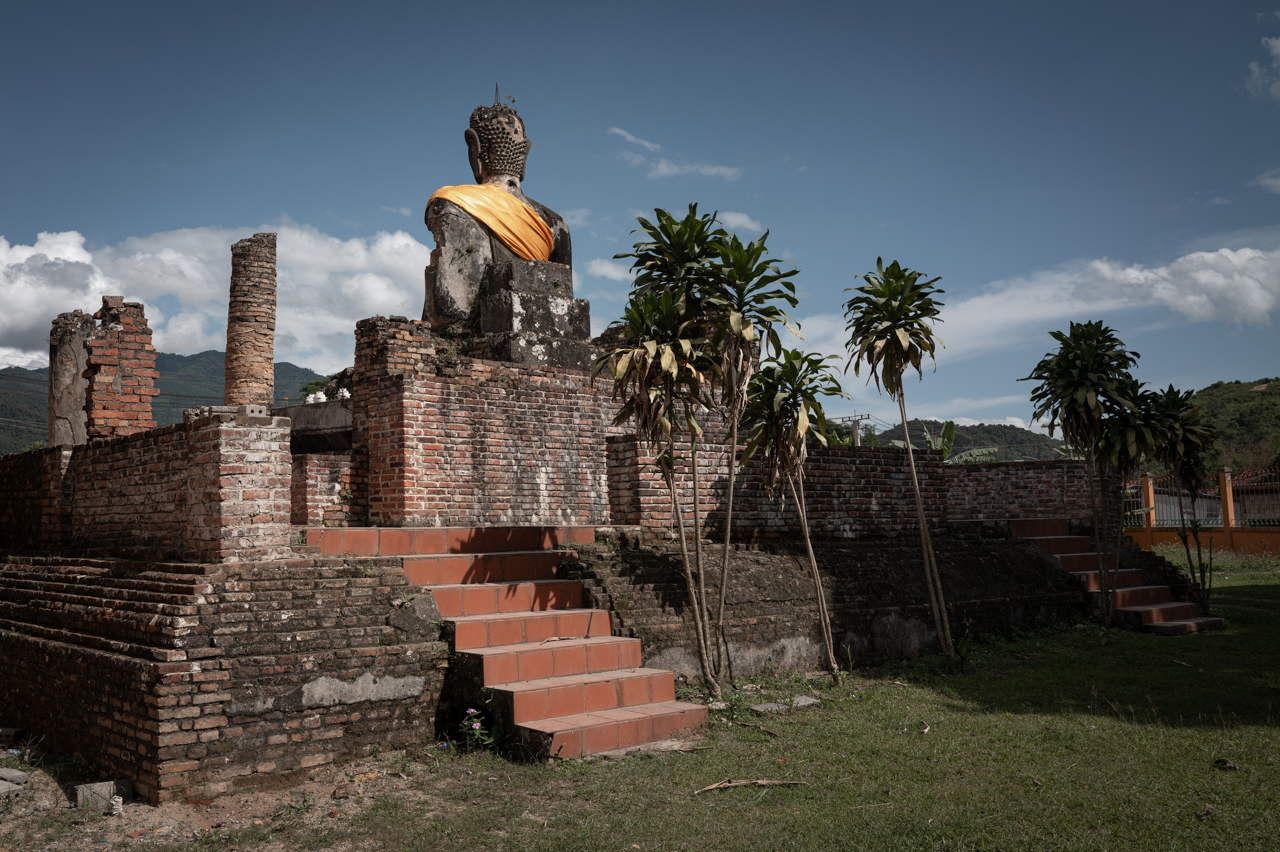
For much of the world, Laos exists quietly on the margins of history. Land linked, rural, and rarely the subject of headlines, it is often described as untouched or timeless. That framing collapses the truth. During the Cold War, Laos became a critical but largely invisible front in a wider geopolitical struggle. As the conflict in neighboring Vietnam intensified, the United States sought to disrupt North Vietnamese supply routes that crossed eastern Laos along what became known as the Ho Chi Minh Trail. Although Laos was officially neutral, it was drawn into the war through illegal covert military operations, proxy forces, and an extensive bombing campaign carried out without public acknowledgment.
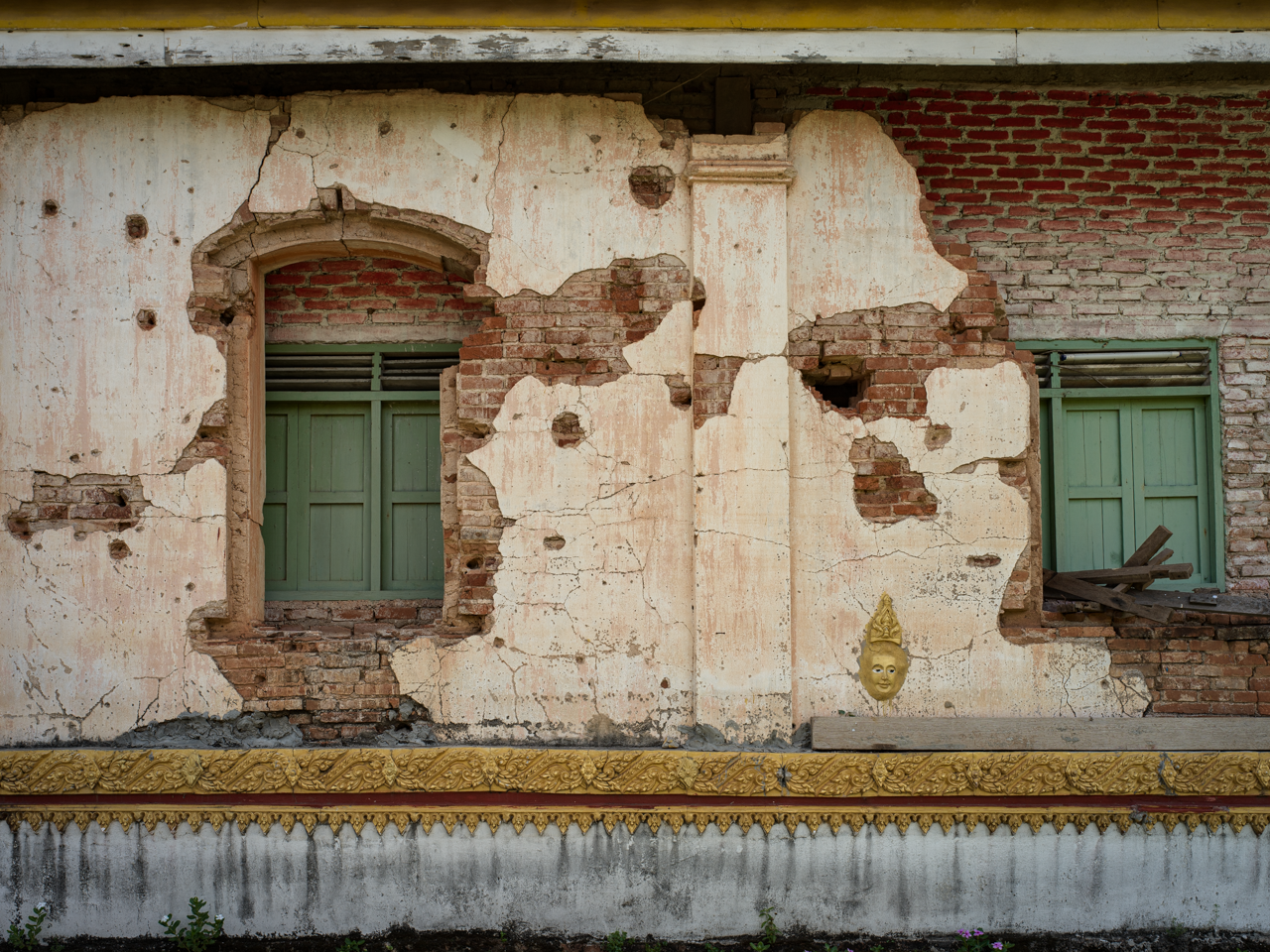
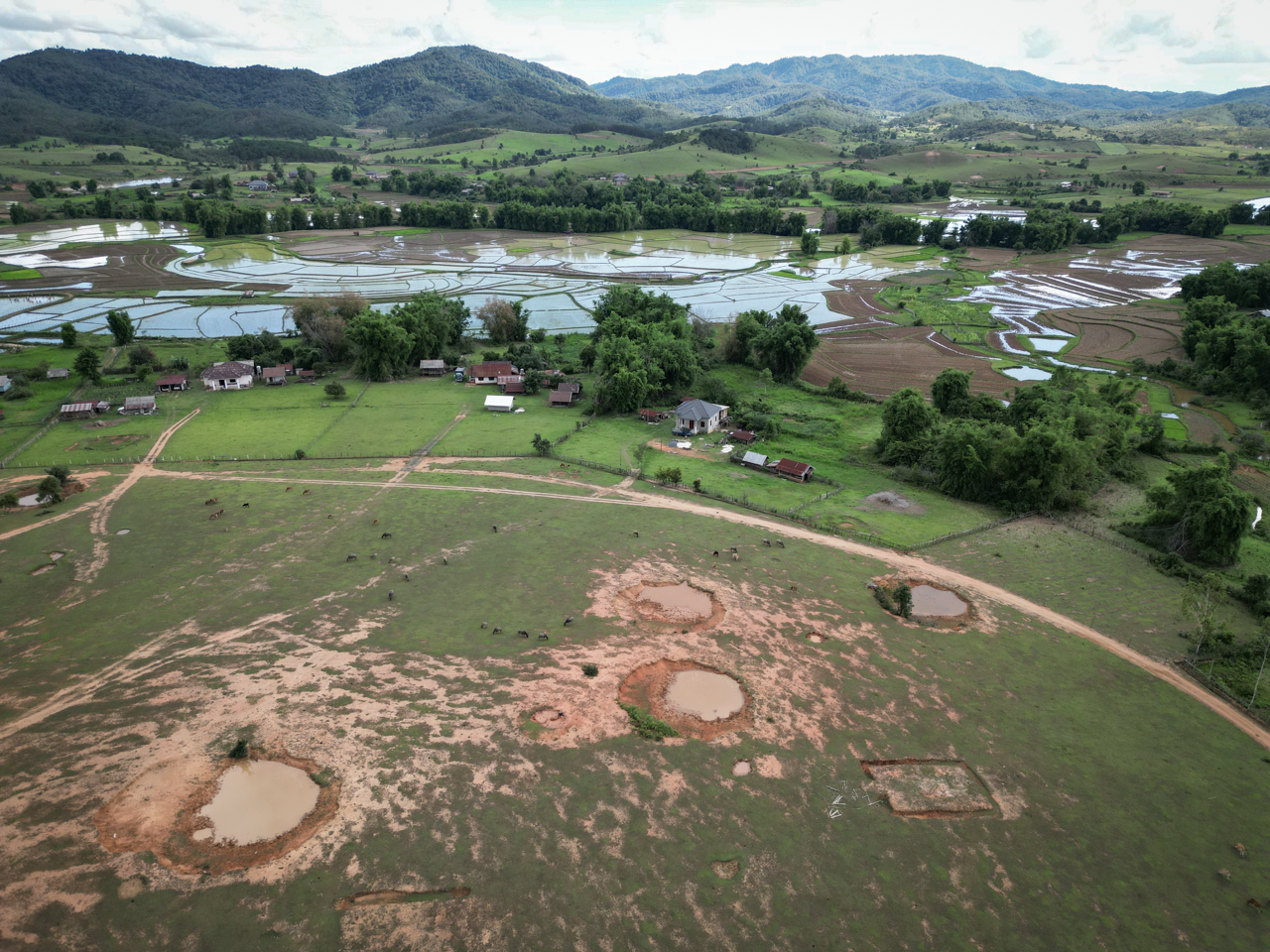
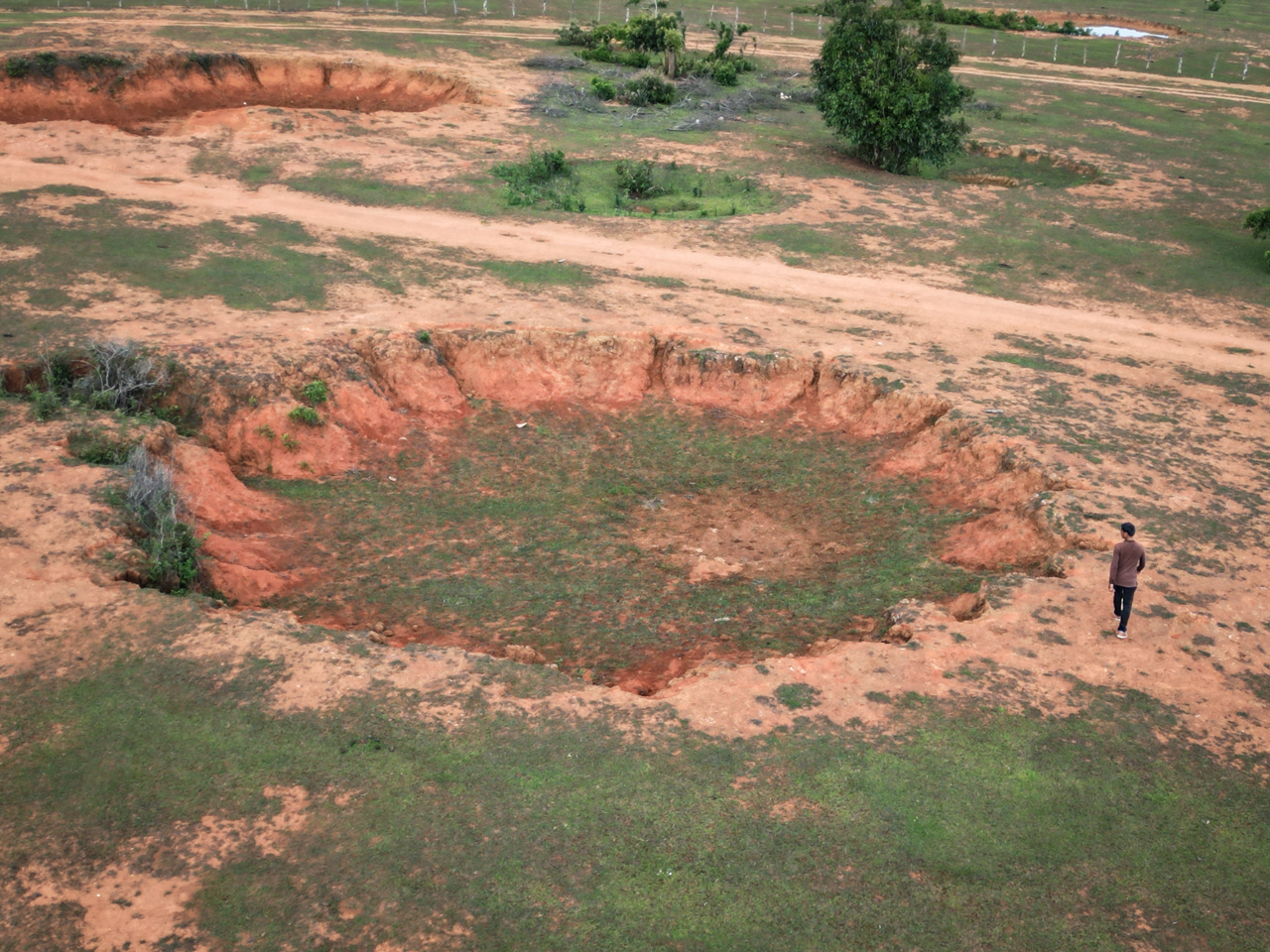
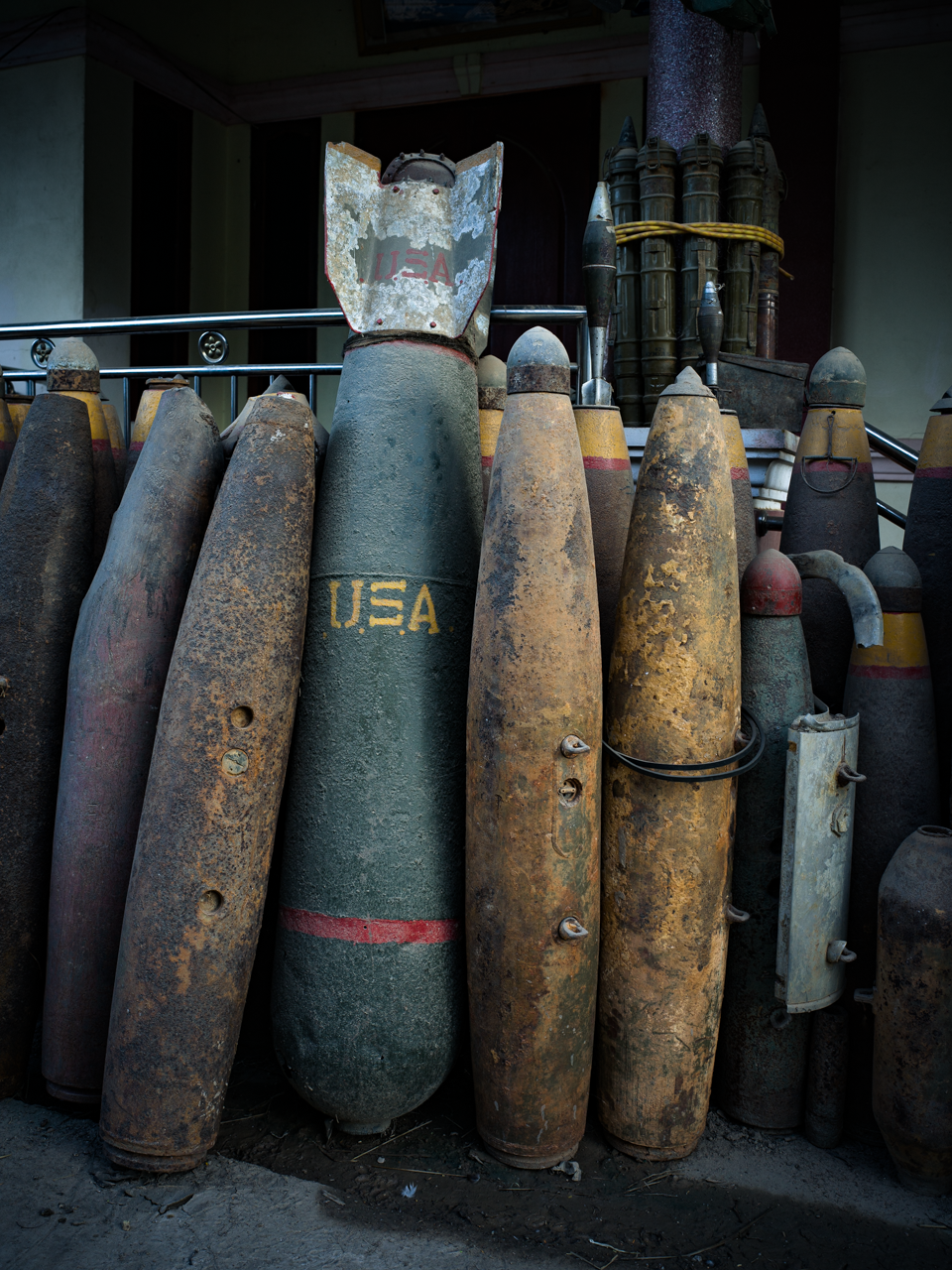
Between 1964 and 1973, the United States dropped more than two and a half million tons of ordnance on Laos, making it the most heavily bombed country per capita in history. Much of this campaign was concealed from the American public and the international community, earning it the name “the American Secret War.” Flights were unmarked, missions classified, and casualties unreported. Entire regions were reshaped not by declared battle lines but by sustained aerial bombardment that reached villages, farmland, forests, and the caves where civilians sought shelter.
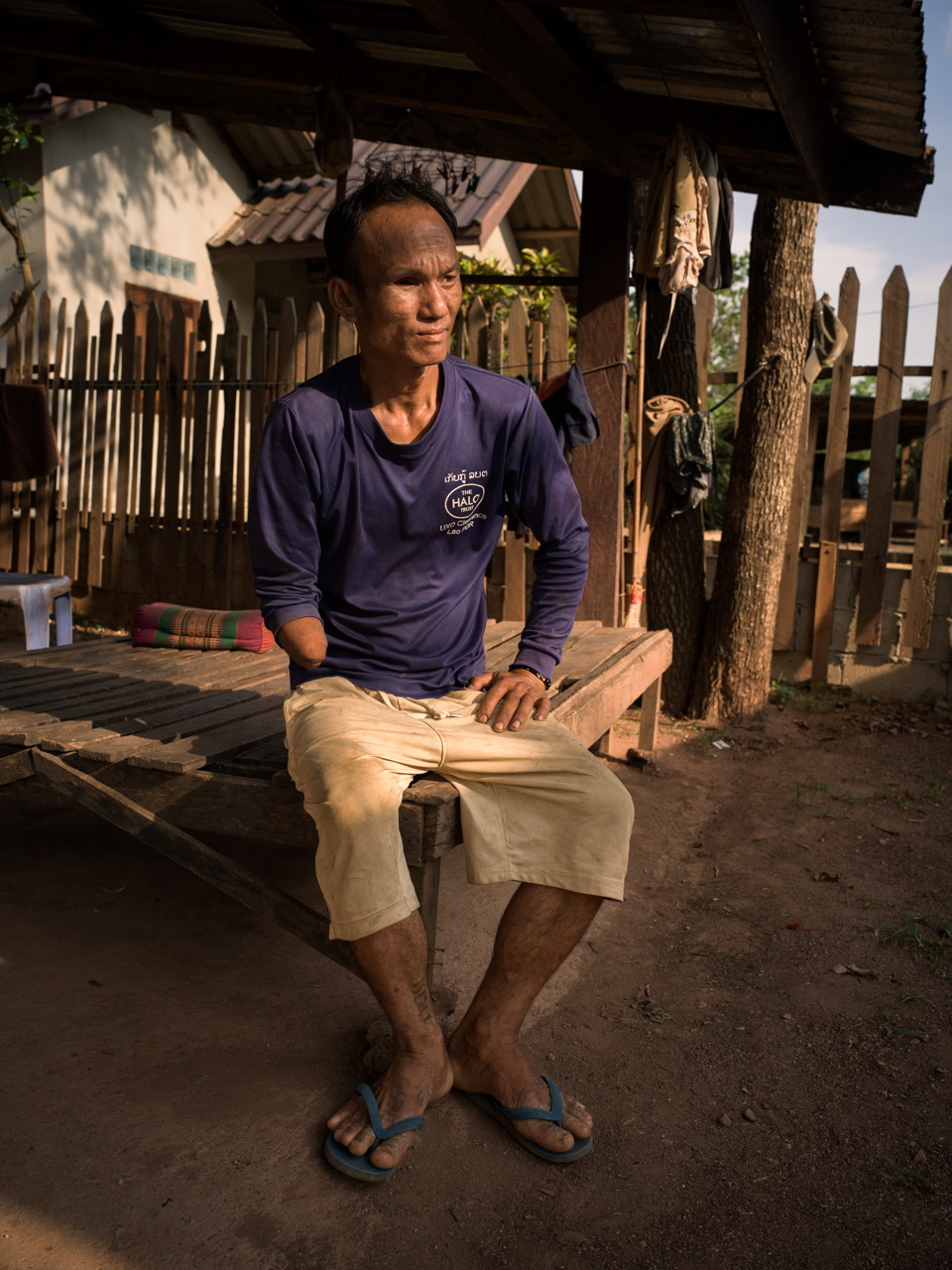
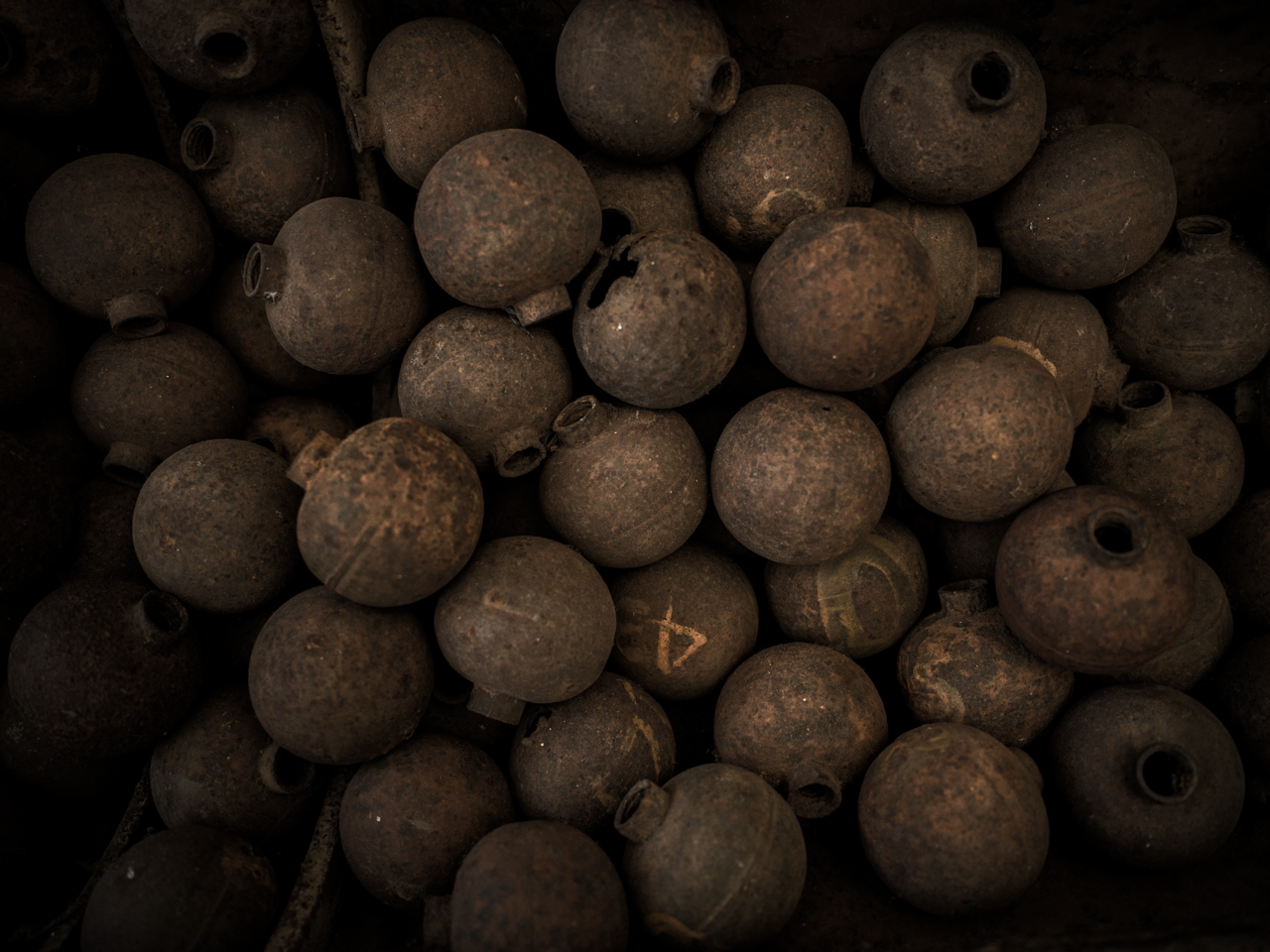
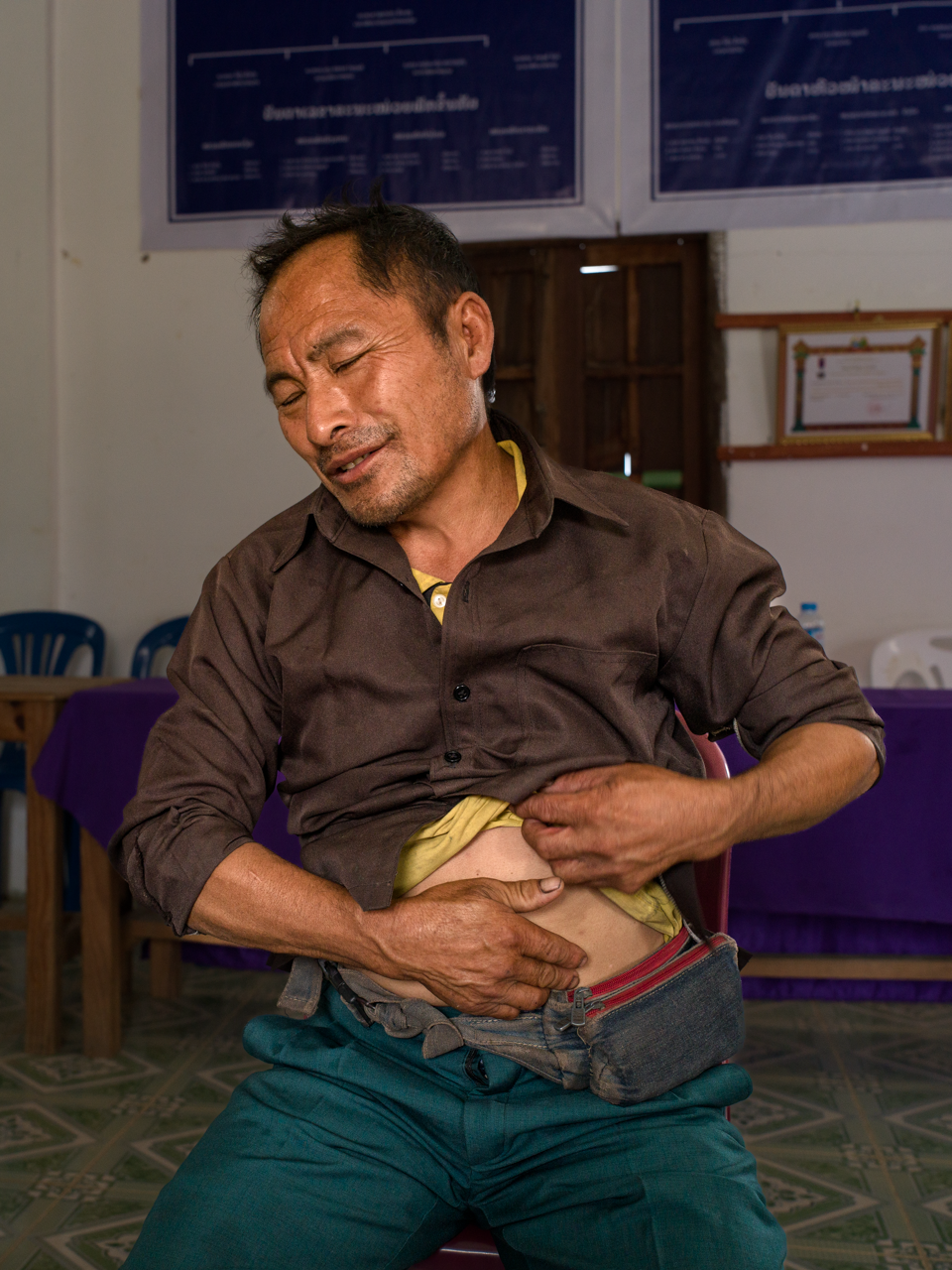
When the war ended, the planes left. The bombs did not. An estimated thirty percent of the ordnance failed to detonate on impact, embedding itself into the soil, riverbanks, and daily life of the country. These unexploded remnants of war turned farmland into minefields and routine tasks into calculated risks. Decades later, they still injure and kill. Children mistake them for toys. Farmers strike them with tools. Families lose parents, siblings, and futures in an instant. The war, officially over, continues in fragments. Its scars are not memorialized in monuments but carried in bodies, in missing limbs, in altered lives, and in land that cannot yet be safely used.
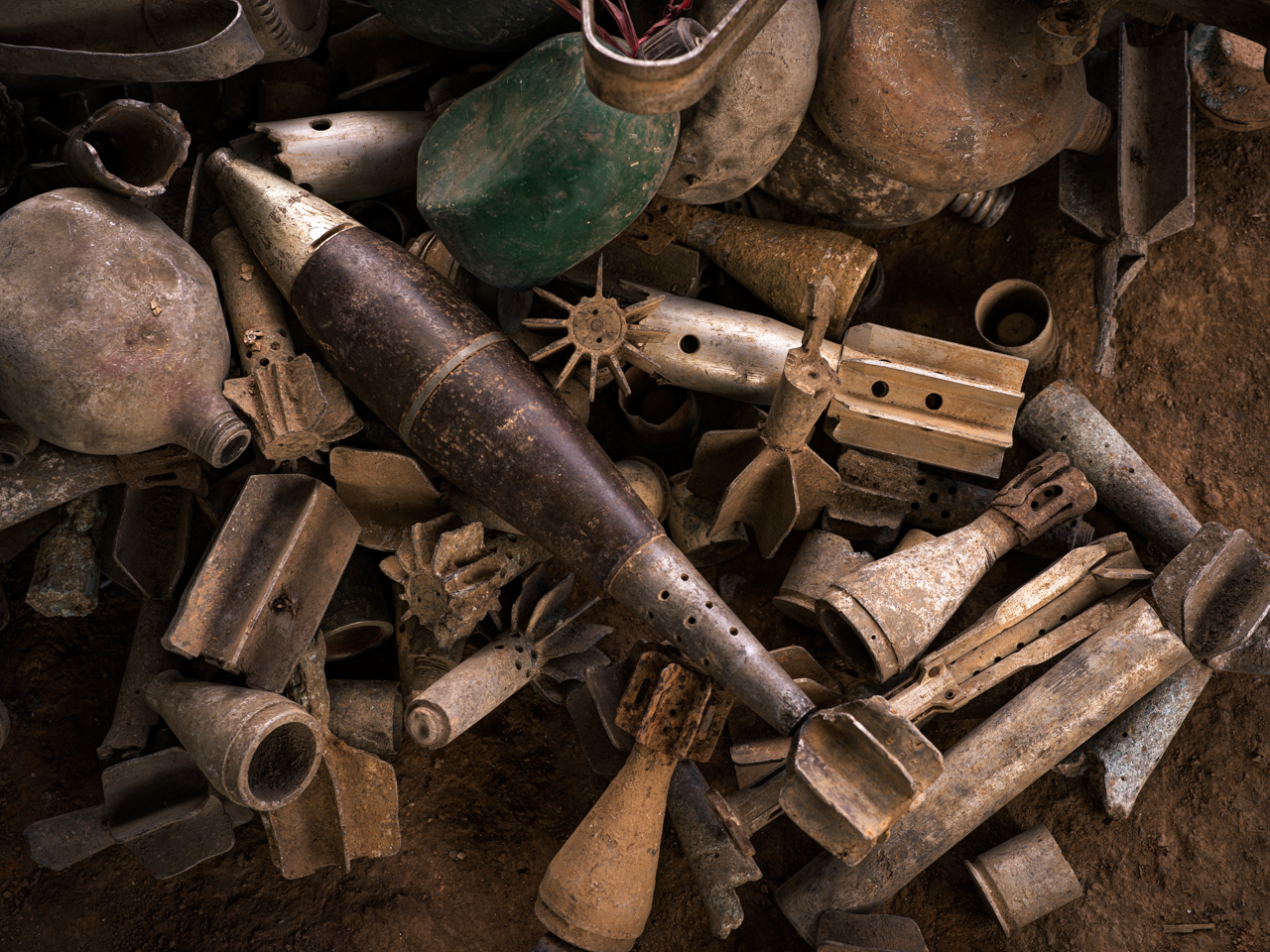
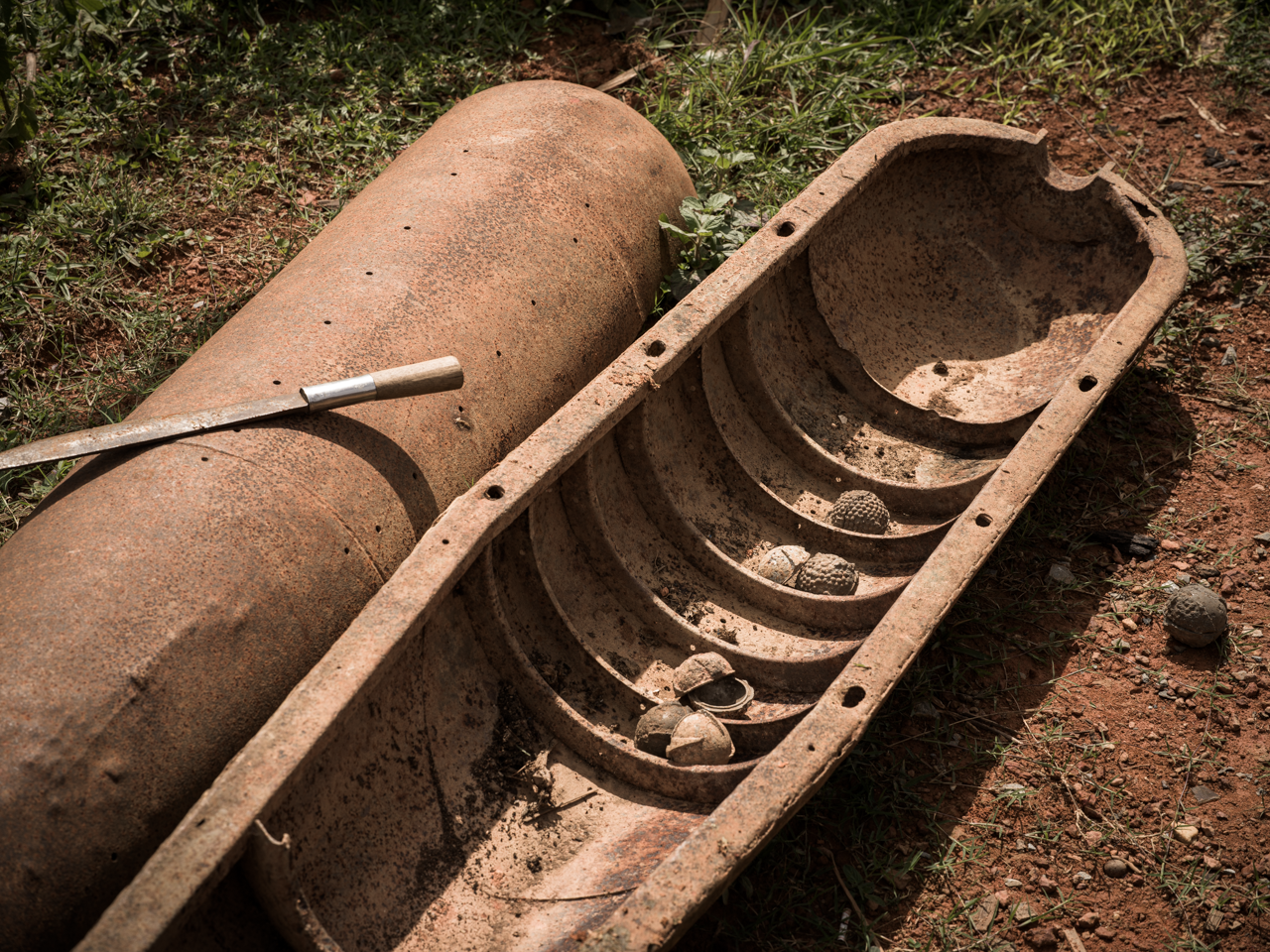
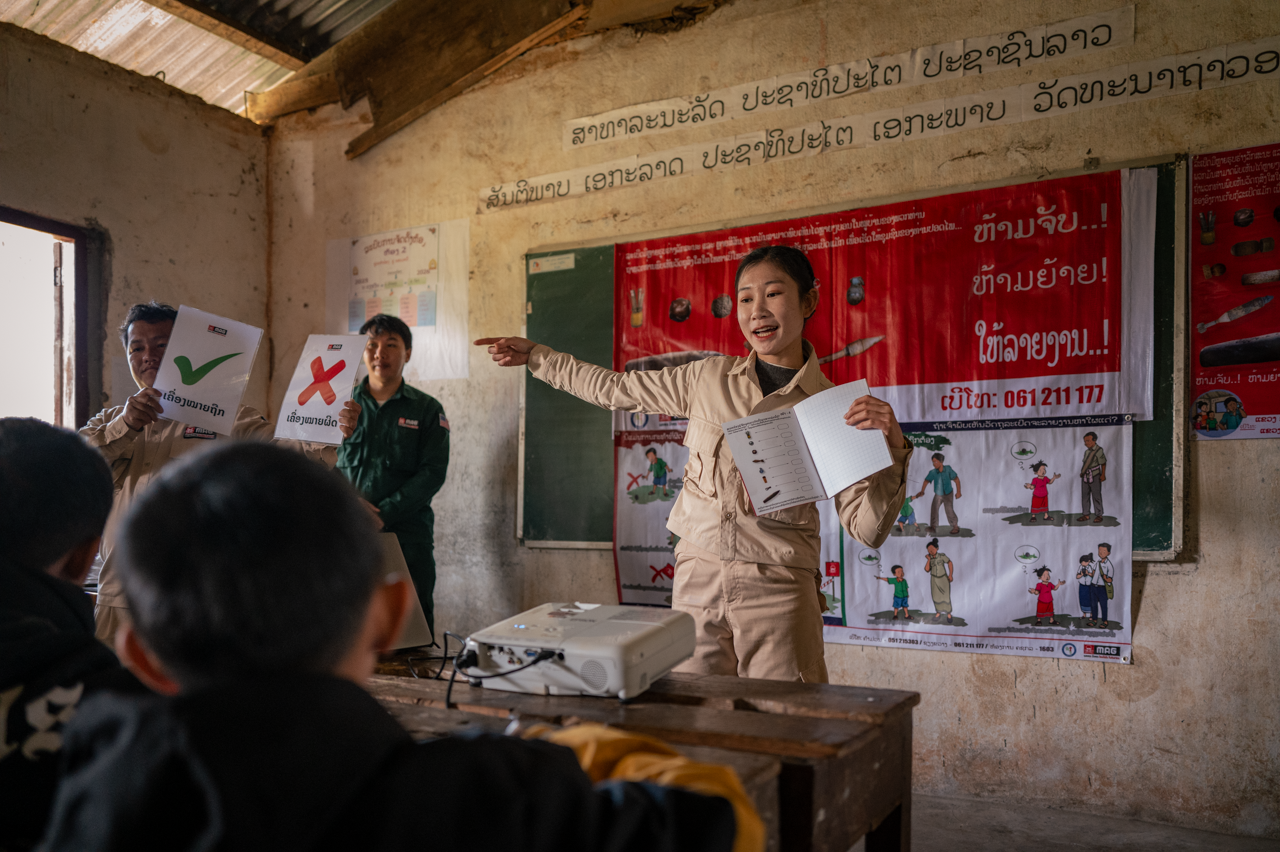
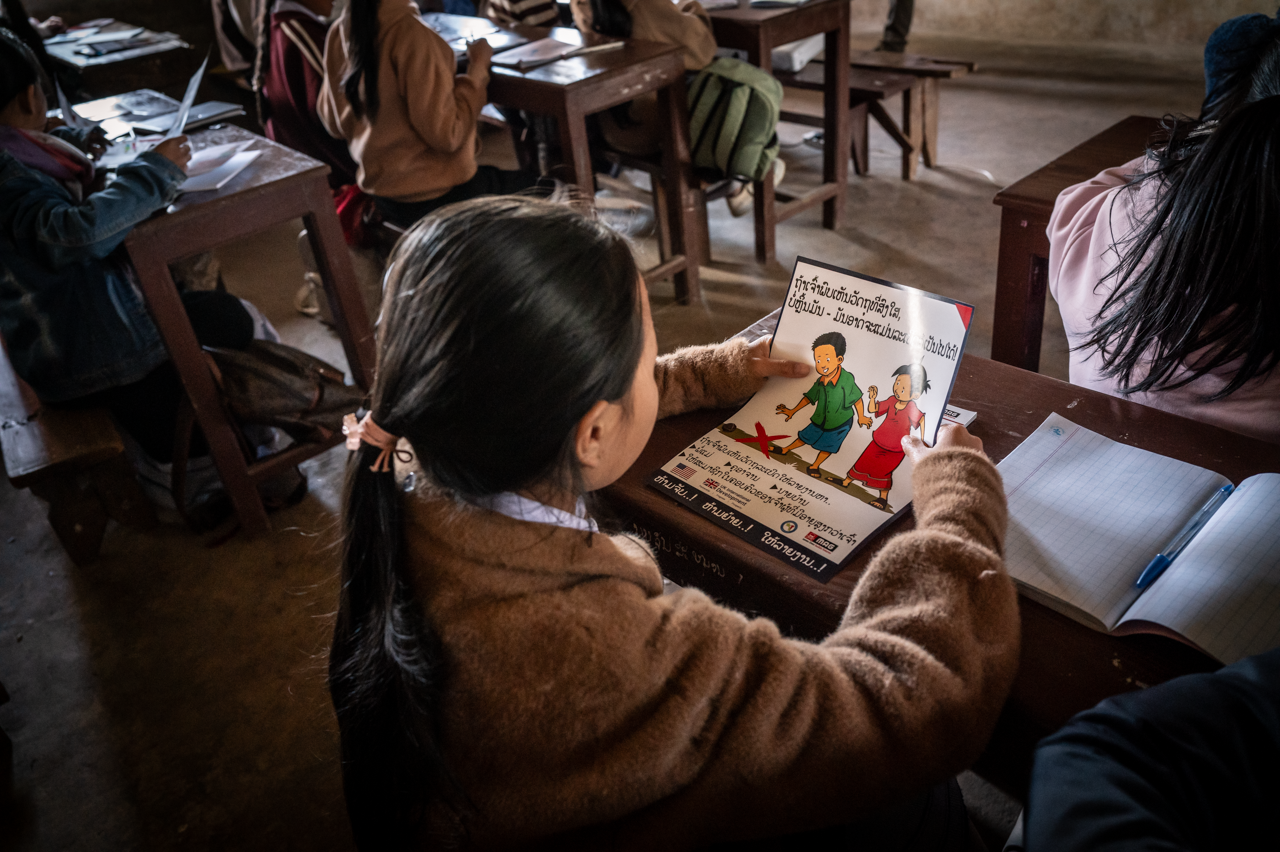
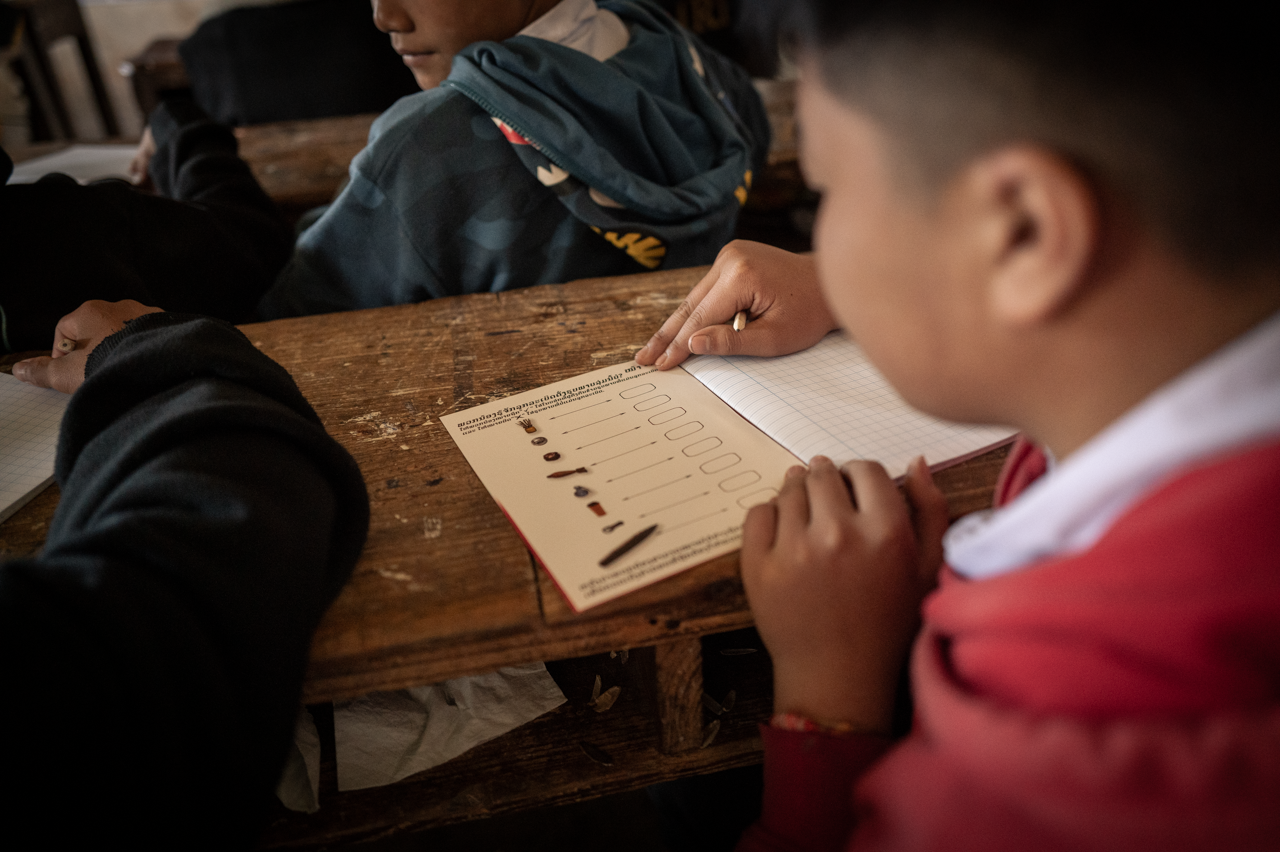
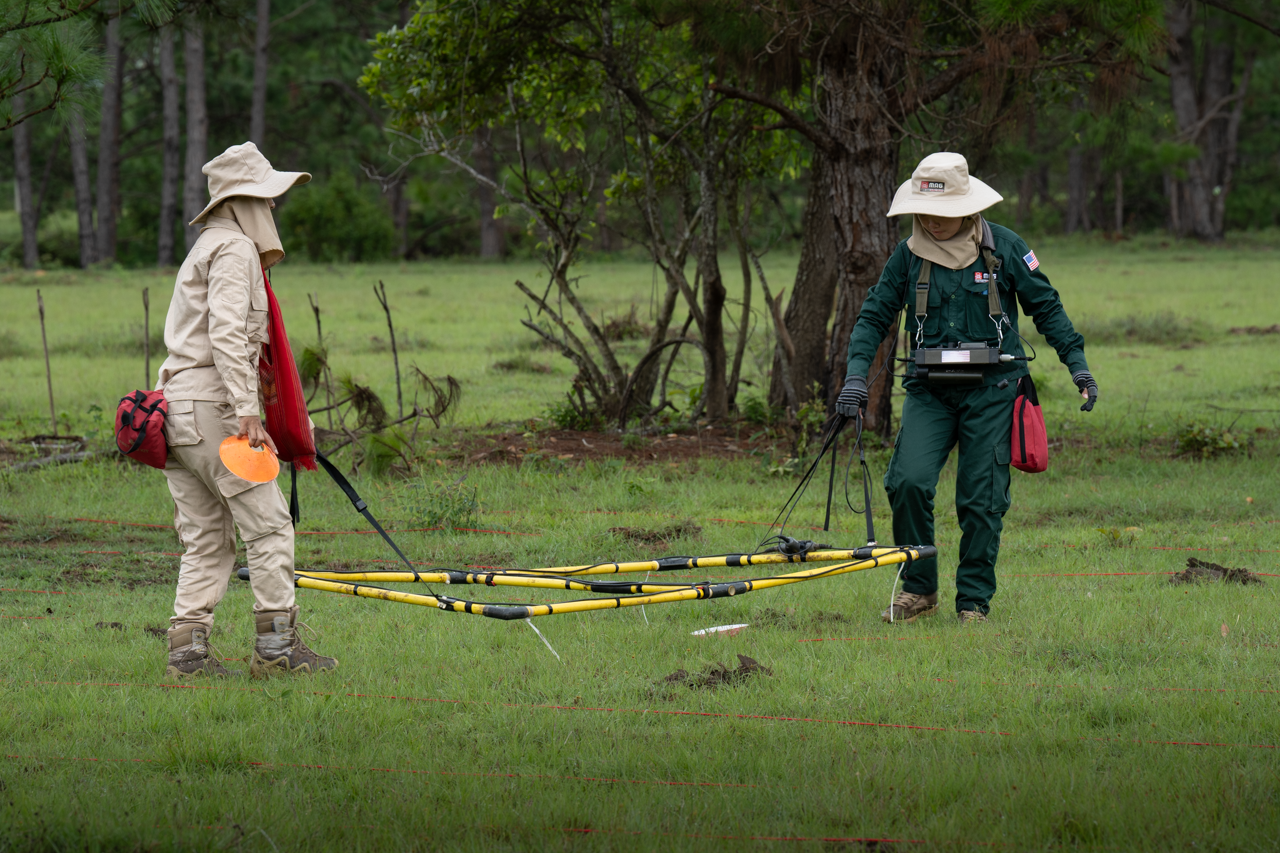
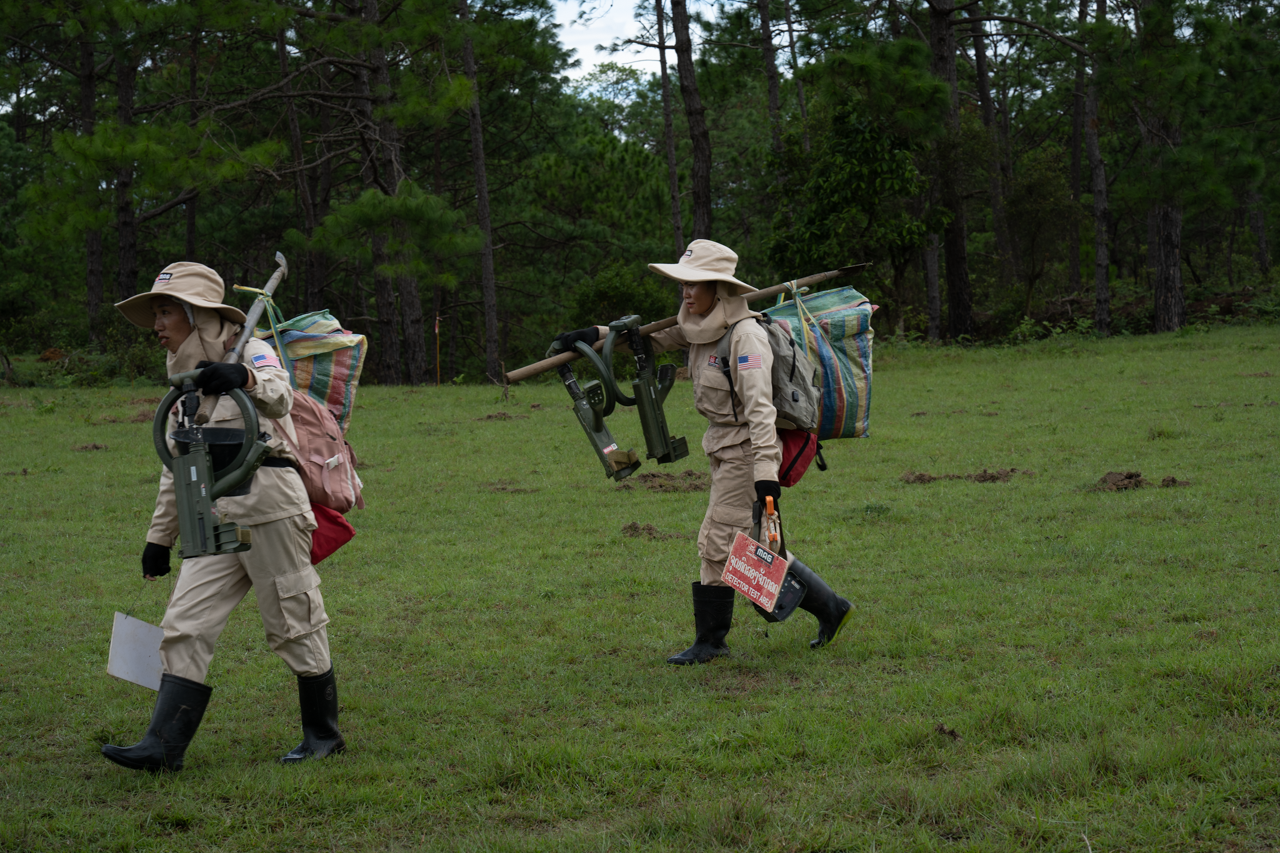
Across Laos, local communities are doing the slow, deliberate work of living forward. In classrooms, children learn how to recognize danger, how to stop, how to walk away, and how to tell an adult. Risk education is not abstract. It is survival knowledge passed on early, spoken plainly, and reinforced again and again. In the fields, clearance teams plan and track each step, often returning to the same land year after year, removing one object at a time so that something else can grow there again. The work is methodical, patient, and carried out by local men and women who know the stakes personally.
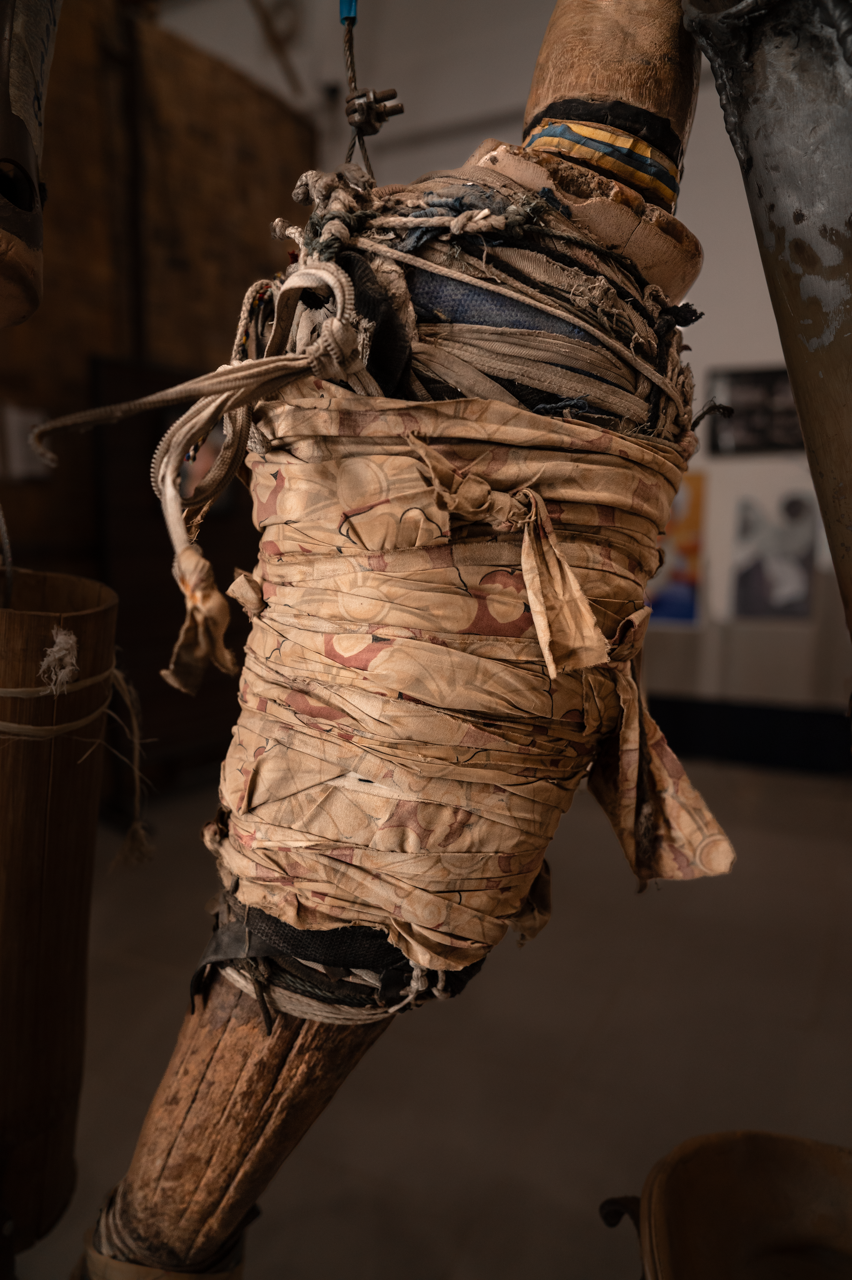
There is also care for those already harmed. Survivor assistance extends beyond medical treatment to long-term rehabilitation, prosthetics, counseling, and community support. Injury here does not isolate the individual alone. It reshapes families, neighborhoods, and villages. Recovery is shared, uneven, and ongoing. Progress is measured less in milestones than in regained independence, adapted livelihoods, and the quiet dignity of people continuing on.
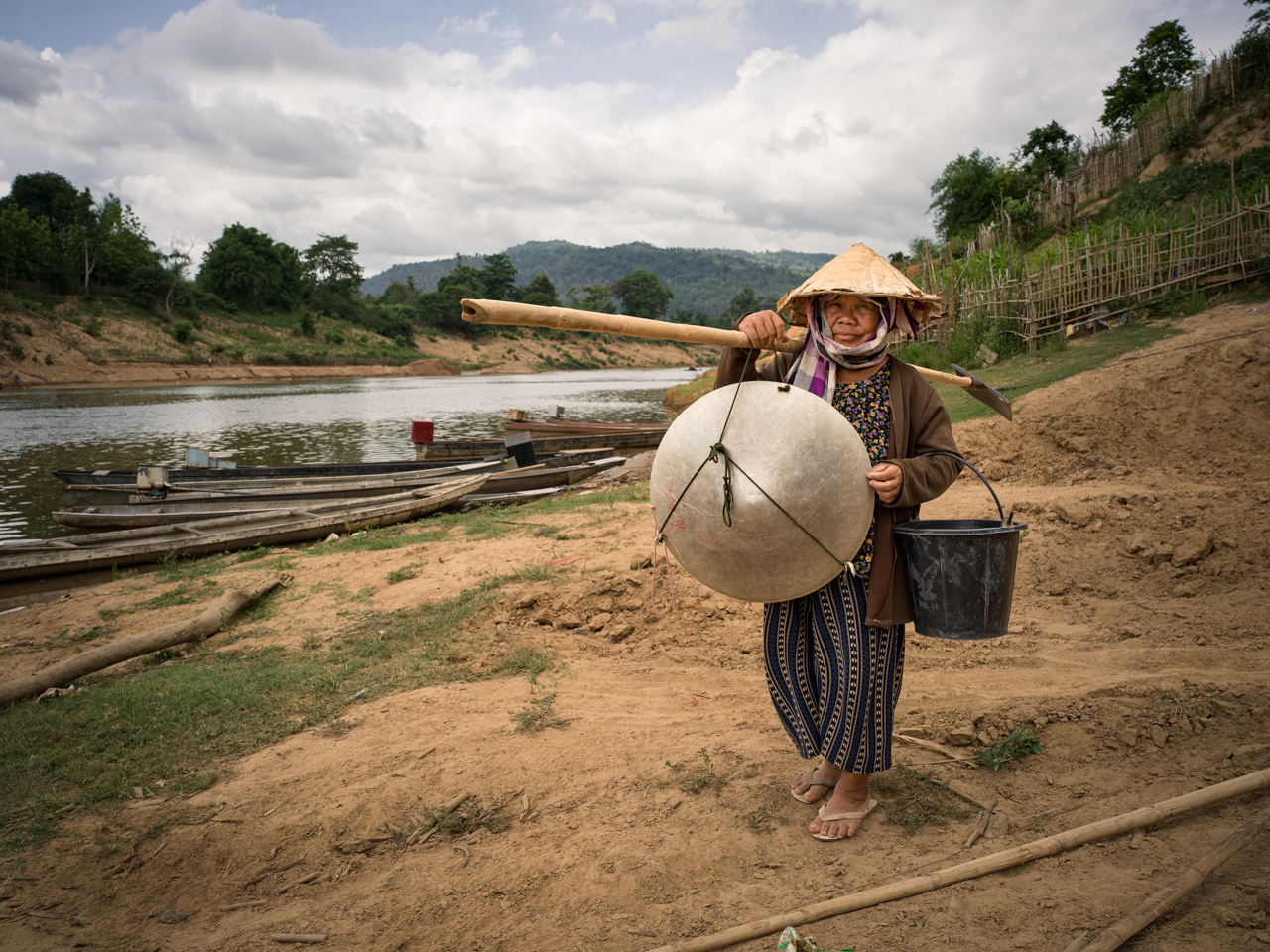
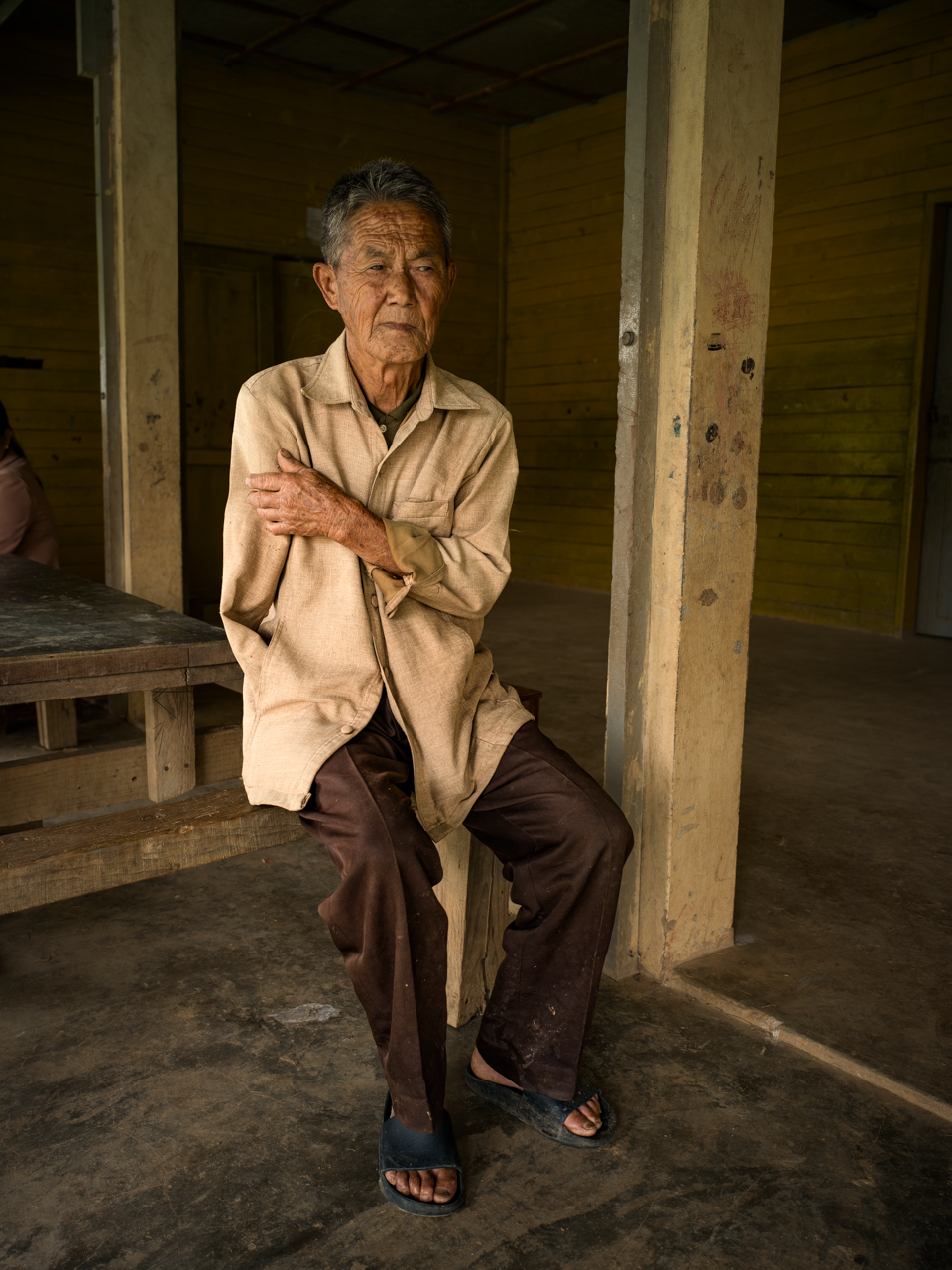
At the center of this story are generations living side by side with different relationships to the same history. Elders carry memory and trauma from the war itself. The middle generation lives with its consequences, navigating contaminated land and economic limits shaped long before they had choices. The youngest generation inherits both the danger and the responsibility to move beyond it. They are asked to remember a past they did not experience while imagining a future that depends on patience, knowledge, and collective effort.
This work begins in the aftermath, but it is not about being trapped there. It is about how a country rebuilds when the past is buried beneath its feet, and how people, across generations, choose to clear space for something better, one careful step at a time.